
 See Our Latest Article on HelloNation

Why Does Daily Movement Matter for Health?
Consistent movement throughout the day supports joint mobility, reduces muscle stiffness, and helps maintain spinal health. Prolonged sitting—common in many Bedford, NY households and workplaces—can lead to discomfort and increased risk of back or neck issues. Even short, periodic movements can benefit both physical and mental well-being for residents with varying routines, from those working at home to people commuting into surrounding areas.
What Are Simple and Effective Ways to Move More Each Day?
Simple adjustments can make meaningful improvements in movement and comfort. Local residents benefit from strategies that fit a variety of daily routines and household patterns:
- Set reminders to stand up and stretch at least once each hour, especially if sitting for long periods, such as during computer work or reading.
- Walk during phone calls, or take brief walks around the inside or outside of the home, making use of sidewalks, driveways, or safe local streets.
- Use stairs when available, either at home or in public places, instead of elevators.
- Balance time spent in one position—alternate between sitting, standing, and gentle activity.
These small movements add up across the day and can counteract stiffness associated with lengthy static postures.
What Are the Healthiest Ways to Sit and Stand?
Adopting supportive posture is key for reducing strain on the spine and joints during both sitting and standing. The following adaptations are helpful for many in the area:
- When sitting, keep feet flat on the floor, with knees at hip level or slightly below. Adjust chair height or use a cushion when necessary.
- Sit back fully in the chair, supporting the lower back with a cushion or rolled towel if needed.
- If standing for extended periods, shift weight occasionally from side to side or place one foot on a low step and alternate.
- In work-from-home setups, modify furniture to encourage an upright, neutral spine without hunching or excessive leaning forward.
Unconsciously tensing the shoulders or jaw is common—pause periodically to relax these areas throughout the day.
How Can Daily Chores Be Opportunities for Movement?
Everyday tasks—common in Bedford homes, especially those with yards or gardens—offer natural chances for gentle exercise. Instead of viewing chores as static tasks, see them as built-in ways to move throughout your environment:
- Rake leaves, shovel snow, or tend to garden beds with mindful posture, switching sides regularly to avoid overuse.
- Carry groceries in smaller, evenly balanced loads to avoid straining one side of the body.
- Squat by bending at the hips and knees (not just the back) when reaching for low items, whether cleaning, organizing, or caring for pets.
These adjustments turn household duties into productive movement without the need for structured workouts.
How Should Movement Change With the Seasons?
Movement can look different depending on seasonal shifts in the area:
- In winter, ice or snow may make outdoor movement riskier; focus on safe indoor walking routes or gentle stretching routines at home.
- During spring and fall, take advantage of moderate weather by walking local parks or public open spaces.
- In summer, schedule walking or outdoor activity during cooler parts of the day, such as morning or early evening, to avoid heat stress.
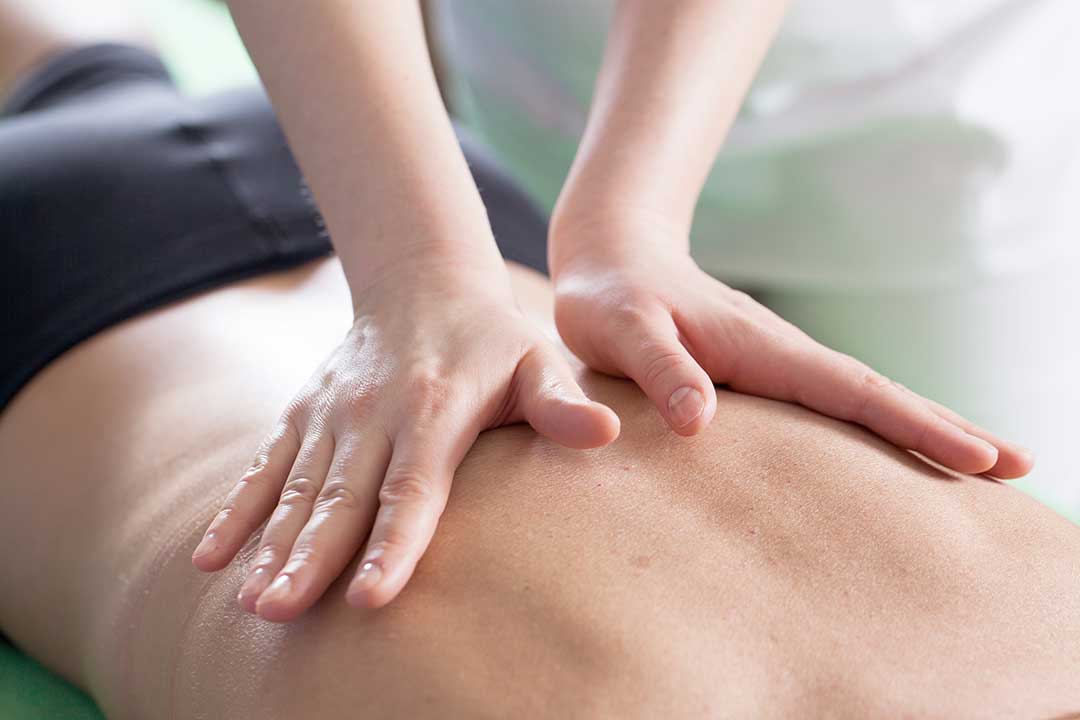
Adapting routines for safety ensures consistent activity and prevents injury related to slips, heat, or low visibility.
What Are Signs You Need to Move More?
Discomfort is often a sign the body needs more movement. Residents commonly notice:
- Increased stiffness, especially after sitting or rising from bed.
- Frequent fidgeting or need to shift positions.
- Occasional headaches or tension, often linked to muscle stiffness from immobility.
If discomfort persists despite healthy movement habits, this may signal another issue and could warrant further attention.
Are There Common Misconceptions About Everyday Movement?
Many assume only vigorous exercise supports joint and spine health, but light movement throughout the day is highly valuable. Other misconceptions include:
- Believing that hour-long workouts can "cancel out" daylong sitting—research suggests brief, regular movement is necessary.
- Thinking that only gym-based exercise matters, when everyday activity (walking, chores, gentle stretching) also contributes significantly.
Making movement a regular feature of daily life, rather than something reserved for formal exercise time, leads to better comfort and long-term health outcomes for the community.
