
 See Our Latest Article on HelloNation
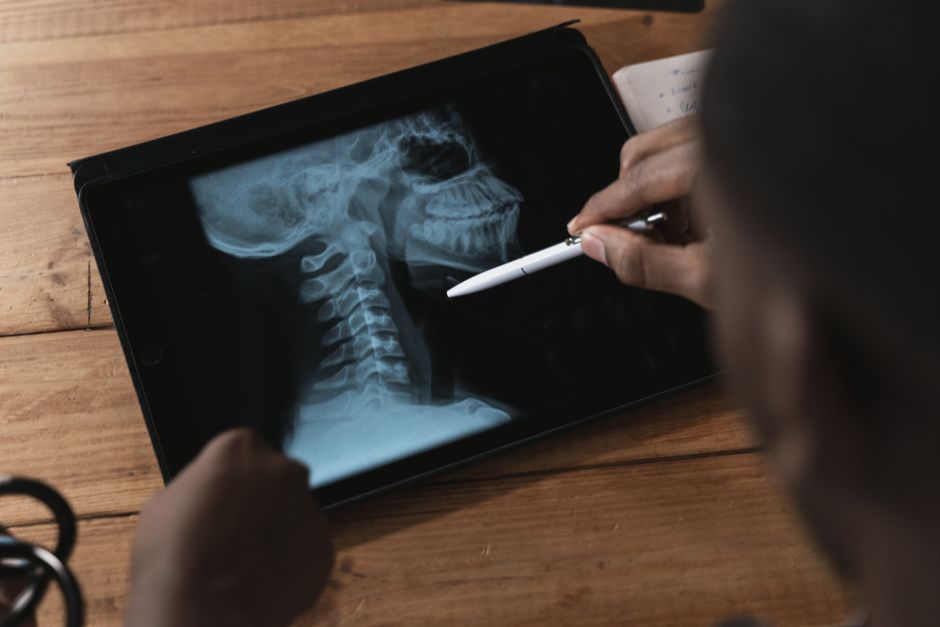
Jaw pain is often treated as a dental or joint problem, but the muscles and joints of the jaw work closely with the neck, upper back, and nervous system. For residents in Bedford, NY, understanding this connection can help explain why jaw discomfort sometimes appears alongside headaches, neck stiffness, shoulder tension, or changes in posture.
The relationship is real, but it is not simple. Spinal alignment or posture is rarely the only cause of jaw pain, and jaw symptoms should not automatically be blamed on the spine. Temporomandibular disorders, commonly called TMD, can involve the jaw joints, chewing muscles, nearby nerves, or several of these structures at once.
How are the jaw and spine connected?
The jaw and upper neck are linked through shared muscles, nerves, and movement patterns. The jaw joints sit just in front of the ears, while the muscles that control chewing connect with the skull, face, throat, and upper neck. The first vertebrae of the neck are also located close to the base of the skull and help support head movement.
When the head moves forward for long periods, the muscles at the back of the neck may work harder to support it. The muscles under the jaw and around the throat can also become more active. This may affect how the lower jaw rests or moves, particularly in someone who already clenches the teeth or has irritated jaw muscles.
The reverse can also occur. Pain or restricted movement in the jaw may cause a person to hold the head and neck differently. That protective posture can contribute to neck soreness, upper-back tension, or headache symptoms.
This does not mean that “poor posture” directly causes every case of TMD. Research has found an association between jaw symptoms and head or neck posture, but the relationship varies from person to person.
Can neck problems cause jaw pain?
Neck problems can contribute to pain felt in or around the jaw, but they are not the only possible source. Pain signals from the upper cervical spine, neck muscles, and jaw region can overlap. The brain may interpret irritation in one area as discomfort in another, a pattern known as referred pain.
Neck-related factors may be more likely when jaw discomfort occurs with:
- Limited neck movement
- Pain between the shoulder blades
- Headaches that begin at the base of the skull
- Symptoms that change with sitting, driving, or computer use
- Tenderness in the muscles along the side or back of the neck
- A recent strain, fall, or whiplash-type injury
Jaw pain can also come from tooth problems, sinus or ear conditions, arthritis, a jaw injury, infection, nerve irritation, or muscle overuse. A careful evaluation is needed when the source is unclear.
What symptoms suggest a temporomandibular disorder?
TMD refers to a group of conditions affecting the jaw joints and the muscles used for chewing. Symptoms can be brief and mild, or they can persist and interfere with eating, speaking, sleeping, or opening the mouth.
Common symptoms include:
- Pain in the jaw joint, cheek, temple, or chewing muscles
- Pain that spreads toward the ear, face, neck, or shoulder
- Stiffness or difficulty opening the mouth
- Locking of the jaw
- Painful clicking, popping, or grating
- Headaches associated with chewing or clenching
- A change in how the upper and lower teeth meet
- Jaw fatigue after eating or talking
A painless click does not necessarily indicate damage. Jaw sounds are common, and sounds without pain or restricted movement often do not require treatment. New pain, locking, swelling, or a noticeable loss of movement deserves more attention.
Why do clenching and stress matter?
Clenching places sustained pressure on the chewing muscles and jaw joints. Some people notice it while concentrating, driving, exercising, or working at a computer. Others clench during sleep without realizing it.
Stress does not explain every jaw disorder, but it can increase muscle activity and make pain more persistent. Poor sleep can also lower the body’s tolerance for discomfort. In a community where seasonal routines may shift between outdoor activity, indoor work, and colder-weather tension, people may notice changes in jaw or neck symptoms during periods of reduced movement or increased screen time.
Helpful observations include noticing whether the teeth are touching when the jaw is at rest. Ideally, the lips may be gently together while the teeth remain slightly apart, with the tongue resting comfortably. This is different from forcing the jaw into a position or repeatedly checking it.
What can residents try at home?
Most initial care for uncomplicated jaw and neck tension is conservative. The goal is to reduce irritation without forcing movement or permanently changing the bite.
Useful steps may include:
- Choose softer foods temporarily if chewing is painful.
- Avoid gum chewing, nail biting, wide yawning, and deliberately testing jaw clicks.
- Apply a warm compress to tight muscles, or use a cool pack if the area feels acutely irritated.
- Take regular movement breaks during desk work or driving.
- Keep screens near eye level rather than repeatedly bending the head forward.
- Practice slow breathing and consciously release the jaw during stressful tasks.
- Sleep in a position that does not press directly on the painful side.
- Avoid aggressive jaw stretching or forceful neck manipulation.
Over-the-counter pain medication may be appropriate for some adults, but medical conditions, allergies, pregnancy, kidney disease, stomach problems, and medication interactions can affect what is safe. Instructions on the product label and guidance from a qualified healthcare provider should be followed.
Can chiropractic care help jaw-related symptoms?
Some people with jaw pain also have restricted neck movement, muscle tenderness, or upper-back stiffness. Care directed at these areas may help reduce contributing muscle tension or improve comfortable movement. Exercise, ergonomic changes, and gentle manual techniques are generally considered more conservative than procedures that permanently alter the teeth, bite, or jaw joint.
However, chiropractic care should not be presented as a universal treatment for TMD. Evidence is stronger for addressing related neck and musculoskeletal problems than for claiming that spinal adjustments alone correct a jaw disorder. Jaw symptoms may require dental, medical, physical therapy, or orofacial pain evaluation, depending on the suspected cause.
A coordinated approach is especially reasonable when jaw pain occurs with significant neck symptoms, a history of injury, or persistent functional limitations.
When should jaw pain be evaluated promptly?
Seek prompt medical or dental evaluation for jaw pain accompanied by:
- Swelling, fever, drainage, or signs of infection
- Severe pain after a fall, blow, or accident
- Inability to open or close the mouth
- Progressive facial asymmetry
- Numbness, weakness, or new neurological symptoms
- Trouble swallowing or breathing
- Chest pressure, shortness of breath, sweating, or pain spreading into the arm or neck
Jaw pain with chest-related symptoms can sometimes signal a medical emergency rather than a joint or muscle problem.
Persistent symptoms also deserve evaluation when they last more than a few weeks, repeatedly interfere with meals or sleep, or continue despite reducing clenching and other aggravating habits. A dentist or physician can help rule out tooth, ear, sinus, joint, nerve, and systemic causes before treatment is chosen.
For Bedford households, the most useful starting point is to view jaw pain as part of a connected movement system rather than an isolated spot. The jaw, neck, and upper back influence one another, but each can also develop separate problems. Careful observation of symptoms, conservative self-care, and timely evaluation when warning signs appear provide a safer path than assuming every jaw complaint comes from posture or the spine.
