
 See Our Latest Article on HelloNation
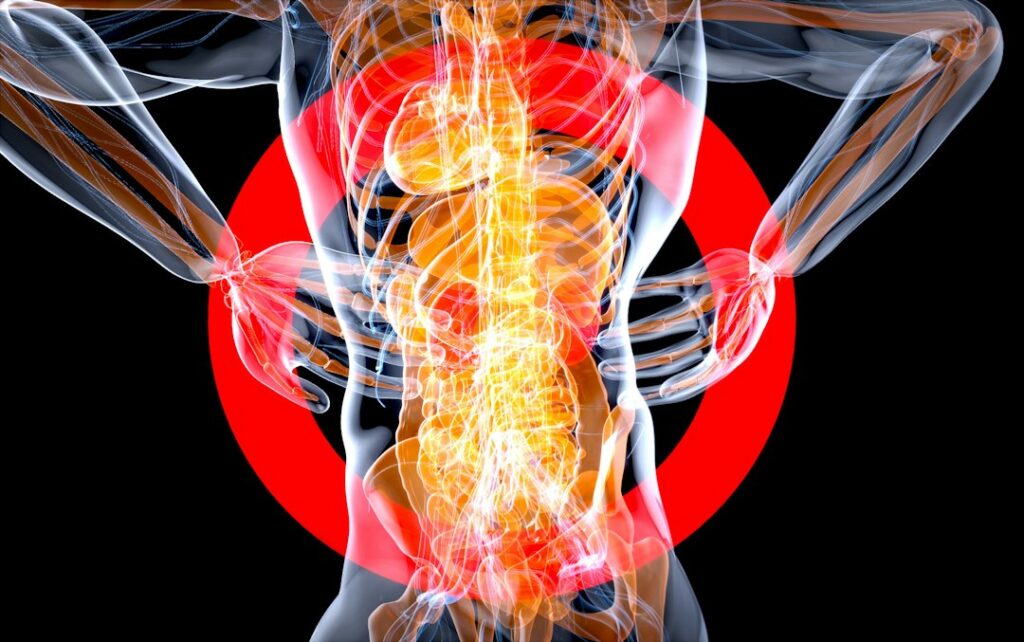
What does “subluxation” mean?
A subluxation is a partial loss of normal alignment or movement at a joint. In general medicine, the word often describes a joint that is not fully dislocated but has shifted from its usual position. The term may be used for joints such as the shoulder, kneecap, or fingers, as well as for spinal joints.
In chiropractic care, “vertebral subluxation” is used somewhat differently. It may describe an area of the spine where joint motion, surrounding muscles, connective tissues, posture, or nervous-system control appear to be functioning abnormally. It does not always mean that a vertebra is visibly “out of place.”
That distinction matters because the same word can refer to different clinical ideas. A traumatic partial dislocation is a structural injury that may require urgent medical evaluation. A chiropractic subluxation is generally a functional or biomechanical description based on examination findings.
Is a subluxation the same as a dislocation?
No. A dislocation occurs when the surfaces of a joint are forced completely out of their normal relationship. A subluxation is usually a partial displacement or partial loss of joint contact.
Spinal joints are also more complex than a simple hinge. Their movement depends on the vertebrae, discs, facet joints, ligaments, muscles, nerves, and surrounding tissues. A person may have restricted or painful movement without a vertebra being dramatically displaced.
For that reason, a statement such as “your spine is out of alignment” should be understood carefully. Minor differences in posture or spinal shape are common and do not automatically indicate injury or disease. Symptoms, physical findings, medical history, and—when appropriate—imaging all help determine what may be occurring.
Why might a spinal subluxation matter?
A change in spinal joint movement can affect comfort, mobility, and how the body distributes physical stress. For example, irritation or restricted movement in one region may be accompanied by:
- Local back or neck pain
- Muscle tightness or guarding
- Reduced range of motion
- Pain that changes with posture or activity
- Stiffness after sitting, driving, gardening, lifting, or sleeping
- Changes in the way a person bends, walks, or turns
These findings are not unique to subluxation. Similar symptoms can result from muscle strain, ligament injury, arthritis, disc problems, nerve irritation, osteoporosis, or other conditions.
The practical concern is usually not the label itself. The more useful questions are: What is causing the symptoms? How severe are they? Is movement improving or worsening? Are nerves or other structures involved? What type of care is safe?
What can contribute to these changes?
Spinal joint symptoms may develop gradually or after a specific event. Common contributors include:
- Lifting, carrying, or twisting under load
- Repetitive work or prolonged computer use
- Long periods of driving or sitting
- Falls, sports injuries, or collisions
- Sudden increases in exercise or household activity
- Weakness or deconditioning after illness or inactivity
- Poor sleep positioning
- Stress-related muscle tension
Seasonal habits can also influence symptoms. In Bedford, residents may spend more time shoveling, clearing branches, carrying heating supplies, doing home repairs, or moving outdoor equipment during colder months. Those activities can place unusual demands on the back and shoulders, particularly when performed quickly or without regular conditioning.
Weather itself does not “put a vertebra out of place,” but cold conditions may encourage muscle stiffness, while changes in routine can increase the chance of overuse or strain.
How is a suspected subluxation evaluated?
A careful evaluation begins with a health history and questions about when the symptoms started, what makes them better or worse, and whether an injury occurred. A physical examination may assess:
- Spinal and joint movement
- Muscle tenderness or guarding
- Strength and sensation
- Reflexes
- Balance and walking
- Coordination and posture
- Signs of nerve irritation

Imaging is not automatically necessary for every episode of back or neck pain. It may be considered after significant trauma, when symptoms persist, or when the examination suggests a fracture, serious joint problem, infection, cancer, or neurological disorder.
A useful evaluation should also consider explanations beyond spinal alignment. Pain can be real and limiting even when imaging shows only ordinary age-related changes. Conversely, a serious condition can occasionally exist without dramatic visible changes.
Can an adjustment “put a vertebra back in place”?
Usually, the phrase is an oversimplification. A spinal adjustment may use a controlled force or lower-force technique to influence joint movement, muscle activity, or a person’s ability to move comfortably. It should not be presented as proof that a bone was literally dislocated and then returned to its exact original position.
Some people experience short-term improvement in pain or mobility after spinal manipulation, especially for certain types of mechanical back or neck pain. Results vary, and an adjustment is not a universal treatment for every cause of symptoms. It also should not be used to claim that unrelated medical diseases are caused by, or cured by, spinal subluxations.
The most responsible care connects the examination findings to a specific, reasonable goal—such as improving movement, reducing activity-related pain, or supporting recovery—while recognizing the limits of the technique.
Are spinal adjustments safe for everyone?
Spinal manipulation is generally well tolerated when appropriately selected and performed by a properly trained, licensed provider. Temporary soreness, stiffness, headache, or increased local discomfort can occur.
Certain situations require caution or a different type of evaluation. These may include suspected fracture, severe osteoporosis, active infection, bleeding disorders, recent surgery, inflammatory disease, progressive neurological symptoms, or significant trauma. Neck manipulation deserves particular care because rare but serious complications have been reported.
Urgent medical evaluation is appropriate for back or neck pain accompanied by:
- New loss of bladder or bowel control
- Numbness in the groin or inner thighs
- Significant or worsening weakness
- Trouble walking or coordinating movement
- Fever, unexplained weight loss, or a history of cancer
- Severe pain after a fall or collision
- Sudden severe headache, dizziness, vision changes, speech difficulty, or one-sided weakness
These signs should not be explained away as a routine “subluxation.”
What should residents remember?
A subluxation is not a single, universally defined diagnosis. In general medicine, it often means partial joint displacement. In chiropractic settings, it may describe altered spinal movement or related functional findings.
The term matters less than an accurate assessment of the person, the symptoms, and the risks. Good information should distinguish ordinary mechanical discomfort from conditions that need urgent medical attention, avoid promises of curing unrelated illnesses, and use treatment only when it fits the individual’s situation.
For local households, the most practical prevention steps are gradual conditioning, careful lifting, regular movement during long periods of sitting, and caution with seasonal chores that place sudden stress on the back or neck.
